Dry Ice Blasting for Commercial Uses
Construction Cleanup and Building Restoration
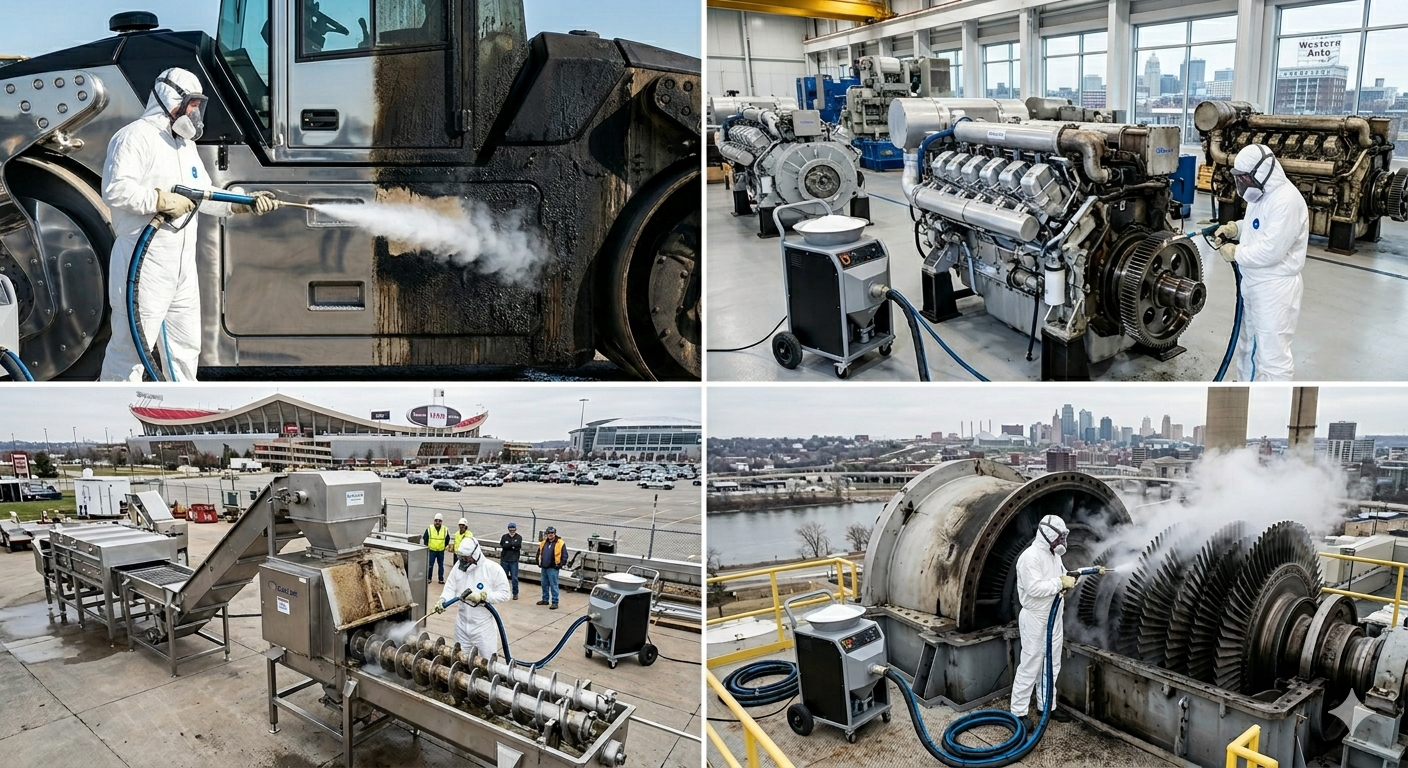
Construction sites are tough on equipment, and keeping that equipment clean is a constant battle. Grease, tar, concrete residue, mold, and grime build up fast, and traditional cleaning methods often create more problems than they solve: secondary waste to dispose of, water damage risks, chemical hazards, and hours of disassembly time. Dry ice blasting is a smarter approach, and it works across more of your job site than you might expect.
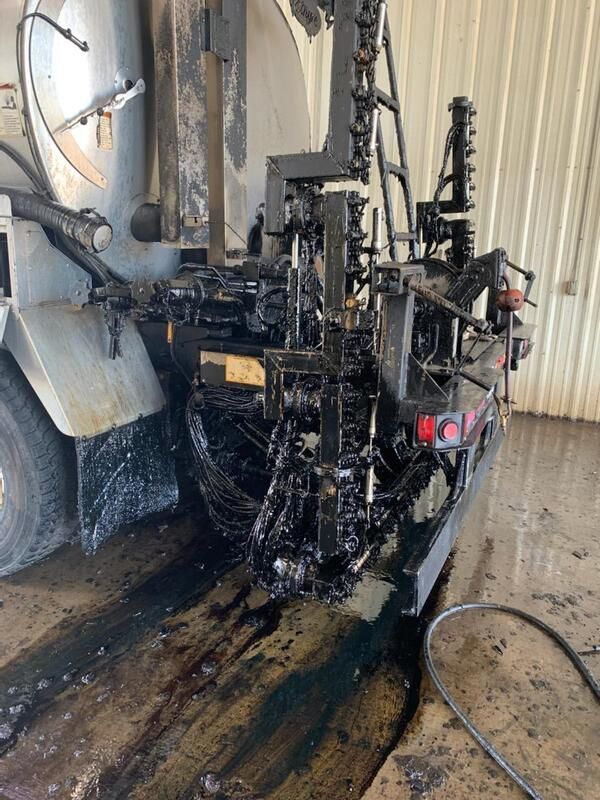
Tar and Asphalt Buildup
Tar is one of the most stubborn messes construction equipment accumulates. Dry ice blasting uses extreme cold to shock the tar loose at the surface, breaking it down so it falls away cleanly with no secondary mess. Because the process is non-abrasive, it's safe for tight spaces and delicate components that conventional cleaning would damage. Less disassembly also means less downtime: your equipment gets back to work faster.
Concrete and Asphalt Equipment
Pavers, mixers, screeds, and concrete forms accumulate hardened residue at a relentless pace. Dry ice blasting cleans these surfaces thoroughly without scratching, pitting, or wearing down the metal underneath. No repainting or surface reconditioning is needed afterward, which keeps your total maintenance cost lower over time.
Electrical Components and Control Panels
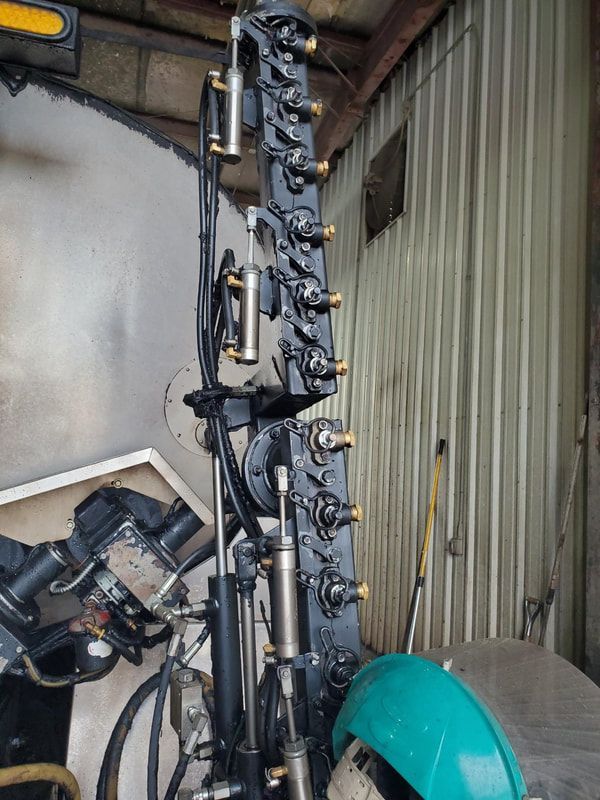
Heavy equipment runs on complex onboard electronics, and those systems need cleaning too. Because dry ice blasting uses no water or conductive media, it can be safely used around electrical components and control panels without the risk of shorts, corrosion, or moisture damage. That's a capability that pressure washing and solvent-based methods simply can't match.
Mold and Mildew on Structures
Long-running job sites, especially in humid climates, can develop mold and mildew on framing, concrete forms, and temporary structures. Dry ice blasting removes biological growth from surfaces without introducing water or chemicals that could feed the problem or create additional cleanup obligations. The result is a cleaner, safer work environment with no added mess.
Building Facades and Concrete Surfaces
Whether you're prepping a surface for coating or cleaning up after construction wraps, dry ice blasting works on a wide range of materials including brick, stone, concrete, metal, and wood. It removes layers of contamination in a single pass and leaves surfaces ready for finishing immediately, with no residue and no drying time required.
Fire or Smoke Damage on Job Sites
When a site fire or equipment fire occurs, soot and smoke residue can get into structural components and machinery quickly. Dry ice blasting clears soot from steel beams, metal ceilings, and equipment surfaces efficiently, with significantly less labor than hand cleaning or other blasting methods that leave secondary debris behind.
The Bottom Line
Whether you're dealing with tar on a paver, grime on a control panel, or mold on a concrete form, dry ice blasting gets the job done faster, cleaner, and with less disruption to your operation. No chemicals, no water damage, no secondary waste, and no unnecessary teardown. Just equipment that's clean and ready to work.